
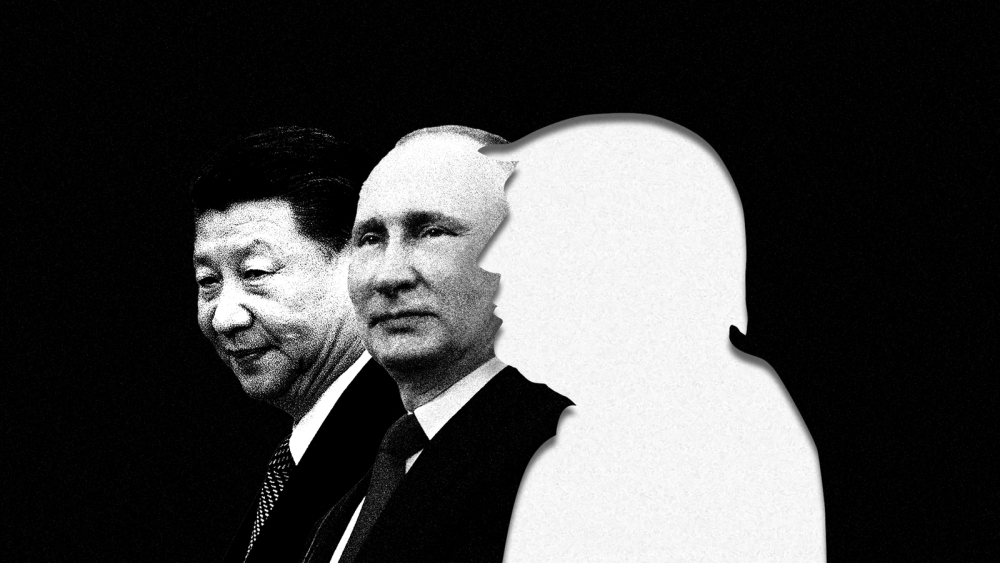
Recent assertions attributed to Donald Trump, that a potential or actual military confrontation with Iran reflects a mandate from Jesus Christ, raise a profound and multidimensional question: Can political violence be divinely sanctioned in modern geopolitical contexts?
I. Framing the Question: Competing Claims of Divine Legitimacy
Recent assertions attributed to Donald Trump, that a potential or actual military confrontation with Iran reflects a mandate from Jesus Christ, raise a profound and multidimensional question: Can political violence be divinely sanctioned in modern geopolitical contexts?
This claim, reportedly rejected by the Pope Leo, exposes a classical tension between political theology and institutional religious authority. The issue is not merely political, it is doctrinal, ethical, and philosophical.
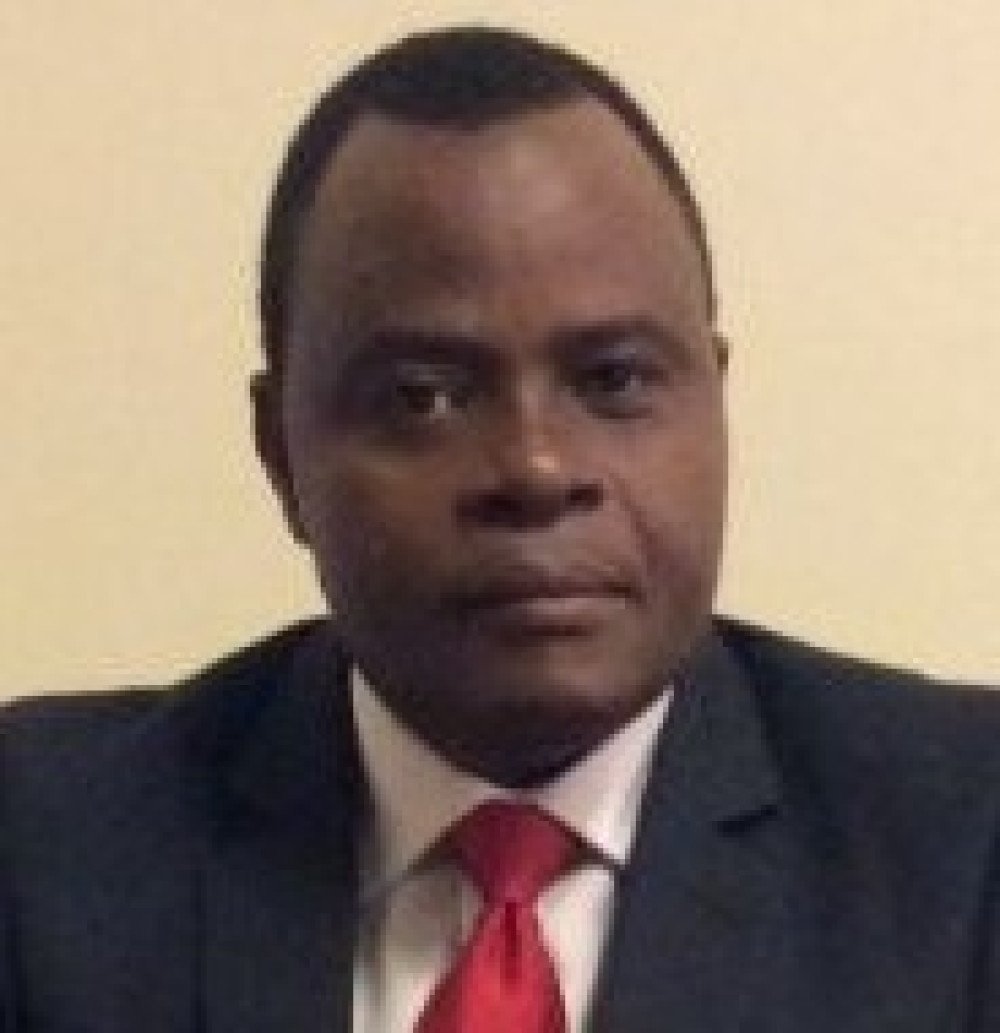
The instinctive skepticism of Edward Tusamba grounded in perceived inconsistencies between professed divine mission and policies lacking compassion (e.g., immigration enforcement practices involving family separation) reflects a historically grounded concern: Does moral character authenticate claims of divine commission?
II. Political Theology: Can God Use Imperfect Leaders?
Tusamba Moises’ comparison to Nebuchadnezzar II is doctrinally significant.
In the Hebrew Bible (notably in the Book of Daniel and Jeremiah), Nebuchadnezzar:
This establishes a key theological doctrine:
God may use morally or spiritually imperfect rulers as instruments of divine will.
However, this doctrine has strict interpretive constraints:
Thus, invoking Nebuchadnezzar as precedent does not automatically validate modern political claims; it introduces a framework of caution, not endorsement.
III. Just War Doctrine vs. Divine Mandate Claims
From a Catholic theological perspective, reflected in the position of the Catholic Church, war is evaluated under Just War Theory, not personal revelation. Core criteria include:
Just cause (defense against aggression)
A unilateral claim, “Jesus mandated this war” bypasses this ethical framework, which explains why a pontiff such as Pope Leo would reject it. The Church historically resists:
IV. Ethical Consistency: The Immigration Question
A critical moral contradiction: Can a leader who enforces policies perceived as lacking compassion, particularly toward immigrants, credibly claim alignment with Christ?
In the teachings of Jesus Christ:
Policies associated with enforcement actions by U.S. Immigration and Customs Enforcement, including detention and family separation have been widely debated in terms of their consistency with these principles.
This introduces a theological test:
Authentic divine mission should reflect the moral character of God, especially justice, mercy, and love.
A persistent divergence between policy and these attributes weakens claims of divine endorsement.
V. The Iran Question: Moral Evaluation of the Ayatollah’s Regime
Edward Tusamba’s argument hinges on a conditional structure:
The leadership in question, often associated with figures like Ali Khamenei, has been:
However, even if these allegations are substantiated, this does not automatically:
Instead, it may satisfy some criteria for just cause, but not divine mandate.
VI. Philosophical Analysis: The Problem of Self-Declared Divine Authority
From a philosophical standpoint, claims like Trump’s raise epistemological and ethical risks:
Political philosopher Thomas Aquinas warned against precisely this: Human rulers must remain subordinate to natural law and divine law, not claim to embody them unilaterally.
VII. Synthesis: Who Is Right?
Trump’s Position
Pope Leo’s Position
VIII. Conclusion: Probability, Not Certainty
Tusamba Moises’ conclusion introduces a nuanced theological probability model:
* Rare
* Confirmed through broader moral and prophetic coherenc
* Never self-legitimized by the leader alone
Thus, the most defensible position is:
The claim of a divine mandate for war requires rigorous moral, theological, and evidentiary validation, not merely assertion.
At present, the balance of evidence, ethical, doctrinal, and philosophical leans toward skepticism of Trump’s claim and alignment with the caution expressed by Pope Leo IV.
Final Reflection
The deeper issue is not whether God can act through political leaders; but whether humans can responsibly discern when such claims are genuine.
That discernment demands:
Without these, divine mandate risks becoming a rhetorical instrument of power, rather than a reflection of God’s will.
Edward Tusamba Moises,
Justice-Oriented Transformative Leadership Advocate
Orpe Human Rights Advocates
Stay connected and informed! By subscribing to Orpe Advocates, you'll receive the latest updates, news, and insights on our ongoing efforts to defend justice, promote human dignity, and empower communities. Be part of our mission for change. Subscribe today and never miss an important update!

Comments